
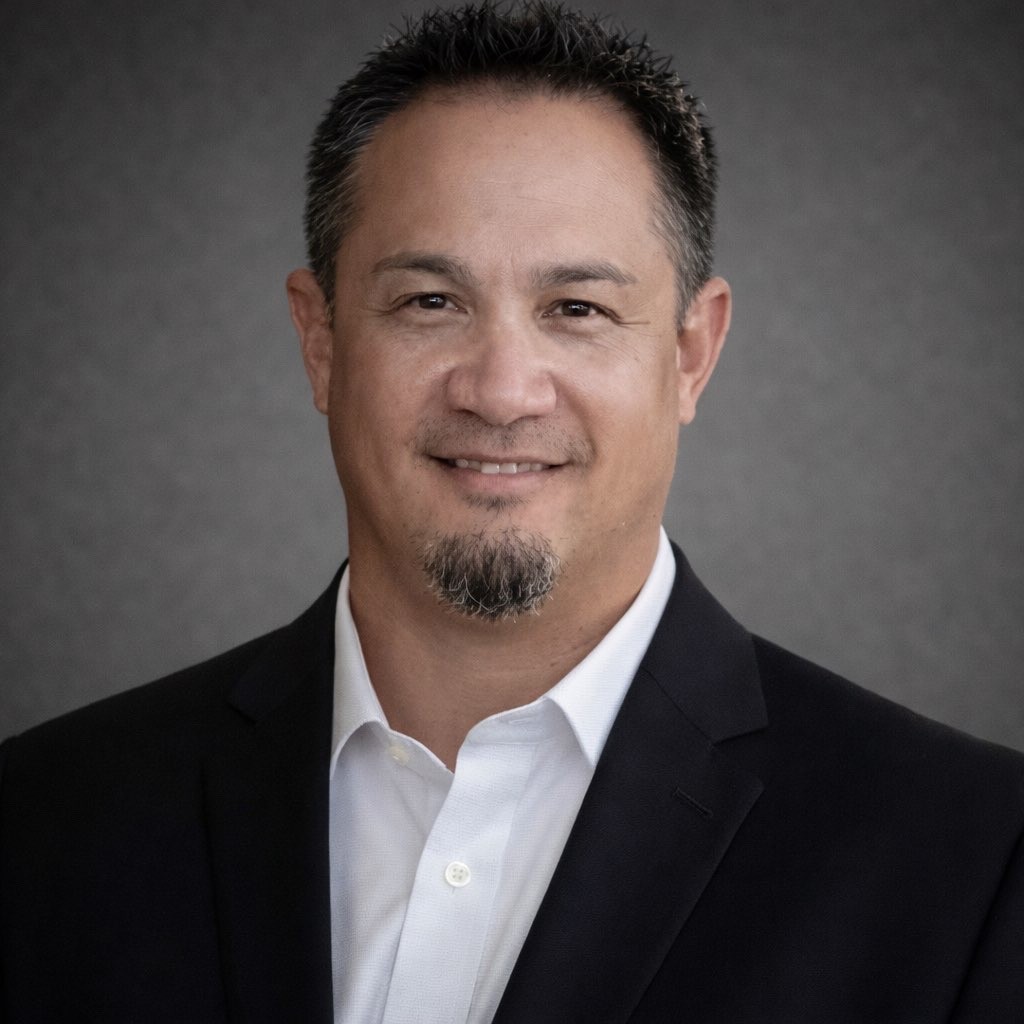
You already know the drill: run the checklist, fix what you find, move on. The real test isn’t your own audit. It’s the next government inspection, and whether it finds what you missed. That’s why CHS added ResponsibleAg certification to its safety program.
That’s the gap Mike Stucke, Senior Safety Specialist at CHS, has spent this year closing. With one ResponsibleAg certification at a time, Stucke has a goal of 20 site audits, the last of which was wrapping up this fall. CHS already has three certified sites.
About CHS
CHS is the largest farmer-owned cooperative in the United States and a leading global agribusiness, serving customers in 65 countries. Its diversified agronomy, grains, foods, and energy businesses provide the crop and livestock inputs, market access, and risk management
What CHS Gets from ResponsibleAg Certification: The Why
CHS already runs its own internal audit teams and an annual checklist. So why add a third-party certification on top of that? For Stucke, the answer comes down to one thing: ResponsibleAg shows its work.
“What I like about the ResponsibleAg side, since it’s a third-party outside audit, is consistency,” Stucke said. “It’s looking at a different set of things we don’t always focus on as much.”
Another real value, he says, is in how each requirement is explained. ResponsibleAg cites the exact regulation behind every finding. When people ask “why” regarding a regulation, Stucke can show them exactly where each requirement comes from.
With this additional information, staff feel they can trust the ResponsibleAg audits. It’s not simply a list of violations, but a documented list with citations to where a rule comes from, one Stucke can pull up on the spot.
From Apprehension to Buy-In
Location staff weren’t thrilled when they first heard about the audits, Stucke admitted. But the tone changed once site staff understood the goal.
“They were apprehensive at first,” he said. “I try to make it clear: I’m not here to pick apart what you’re doing, this is to help us comply. We’re not pointing fingers; we’re identifying things and turning it into a learning experience.”
Because Stucke works inside CHS rather than as an outside auditor, he can also follow up after action items go out. “I keep my own document and follow up with locations, so we actually get sites certified instead of it falling by the wayside,” he said.
ResponsibleAg Certification Fits CHS’s Co-op Structure
“You can apply ResponsibleAg to any part of the ag world, co-op or not,” Stucke says. “You build the programs at the corporate level and implement them at the location level. There’s been no roadblocks.”
That’s a direct answer to a question CHS gets asked often, because the company is itself a cooperative built from several acquired co-ops. Registering those unique entities takes a little extra thought, Stucke says, but the certification process itself works the same way everywhere.
He also praises the support behind the program itself, including from the ResponsibleAg Help Desk and information listed for participants on the ResponsibleAg website.
Built by People Who’ve Done the Work
Stucke earned his own ResponsibleAg auditor certification in June 2025 at a training in Owensboro, Kentucky, led by longtime instructor Peter Mutschler, who used to work at CHS himself.
“It was very hands-on,” Stucke said. “You get the classroom side, then you do mock audits on a full site, working as a team to find things. It was awesome. They really focus on consistency and making sure that as auditors, we’re all looking for the same stuff.”
Twenty years into an EHS career, Stucke didn’t expect much from another certification course. He came away impressed anyway. “It wasn’t just classroom work. [The ResponsibleAg Auditor Course] kept your attention the whole time, and it was well put together.”
Worth It, By His Own Account
Stucke has a direct message for safety leaders who’ve considered ResponsibleAg but haven’t pulled the trigger.
“You just have to do it. A lot of people are on the fence because they think their internal audits are enough, but you’re biased with your own stuff. It’s nice to have another set of eyes.”
[Find out more about registering with ResponsibleAg.]
Stucke calls CHS’s ResponsibleAg certification “a badge of honor that shows real commitment to EHS.”

For safety professionals managing multiple agricultural locations, consistency can be one of the biggest challenges. Lisa Hanson, Safety Director at Ag Plus in South Whitley, Indiana, discovered the solution in ResponsibleAg certification—a program that has fundamentally transformed how the company approaches safety across its diverse operations.
Ag Plus operates 16 locations spanning agronomy centers, grain storage, feed mills, fuel operations, and transportation services. With such a varied portfolio, Hanson needed a comprehensive system that could deliver consistent safety standards across all facilities while streamlining regulatory compliance.
“That’s the thing I like about ResponsibleAg audits. It’s consistency,” Hanson explains. “All my locations get the exact same questions asked, so they don’t have to worry that I’m picking on just that location. They all know they’re getting audited the same way.”
Ag Plus has been participating in ResponsibleAg since 2018, currently maintaining certification at six agronomy centers with plans to add a seventh location in 2025. What began as a trial of the audit tools has evolved into a cornerstone of Ag Plus’s safety program.
A Resource That Saves Time and Improves Compliance
Before ResponsibleAg, Hanson faced the daunting task of developing comprehensive audit procedures from scratch. ResponsibleAg’s 42-page framework eliminated that burden entirely. “You don’t have to recreate the wheel. It’s already done for you,” she says. “ResponsibleAg has already done it.”
The program’s thoroughness has revealed compliance gaps that might otherwise have gone unnoticed. A prime example was fire prevention planning. While Ag Plus had emergency action plans and fire extinguisher maintenance programs, ResponsibleAg audits identified the need for comprehensive fire prevention plans—a critical safety component the company had overlooked.
“I didn’t have a fire prevention plan,” Hanson admits. “We had our fire extinguishers that we checked and did training on, but not the actual fire prevention plan.”
Building Accountability and Trust
One unique aspect of ResponsibleAg that Hanson particularly values is its built-in accountability system. As a certified auditor herself, she’s subject to third-party audits, which maintain the program’s integrity. “I can’t just let them skimp by because I’m an auditor,” she tells her team. “I can also get audited, and I like that — it keeps the whole program honest.”
This transparency has helped build trust with employees across Ag Plus locations. While nobody enjoys being audited, employees appreciate the fair, standardized approach. The program also empowers them to take ownership of compliance issues. Each audit question links directly to relevant regulations, enabling staff to research and resolve problems independently.
Immediate Access to Critical Information
ResponsibleAg’s resource library has become Hanson’s go-to reference for regulatory questions. When employees question safety requirements, she can quickly access the specific regulations. “My guys sometimes will ask me, ‘Lisa, are you making this up?’ I can answer, ‘No, right here’s the reg. Let’s look at it together.’”
This immediate access to regulatory information has proven invaluable for specialized agricultural operations like anhydrous ammonia handling, where ResponsibleAg provides comprehensive risk management process resources and compliance tools.
Long-Term Value and Industry Leadership
After seven years with ResponsibleAg, the return on investment is clear. The program has not only streamlined Ag Plus’s safety operations but positioned the company as an industry leader. The company now serves as a test pilot for new audit procedures, and leadership contributes grain industry expertise to ResponsibleAg’s board of directors.
“If somebody asked me about ResponsibleAg, I say do it in a heartbeat,” Hanson concludes. “It’s not hard to follow. The questions are very easy, and with the resources right there to find what the rest of the regulation says.”
For Ag Plus, ResponsibleAg certification represents more than regulatory compliance—it’s a comprehensive system that ensures every employee goes home safely while providing the confidence that comes from knowing best practices are being followed consistently across all operations.
ResponsibleAg is an industry-led certification program committed to helping agribusinesses properly store and handle farm input supplies. For more information, visit ResponsibleAg.org.